Understanding Steel Shops: Trick Truths and Insights for Sector Professionals
Steel factories play a vital function in the production industry, particularly in markets like automotive and aerospace. They transform basic materials right into necessary components through numerous casting procedures. Recognizing these processes, in addition to the products and quality assurance steps involved, is vital for market experts. As challenges and technical innovations emerge, the landscape of metal shops is progressing. What implications do these changes hold for the future of the market?
The Role of Steel Shops in Manufacturing
Steel shops work as a crucial backbone in the production sector, changing basic materials into essential components. They play a significant role in numerous sectors, consisting of auto, aerospace, and building, by providing top notch metal parts that meet specific performance requirements. Foundries utilize sophisticated strategies to melt metal and cast it into desired forms, making certain precision and resilience.
The procedure starts with the option of basic materials, such as iron, bronze, or aluminum, which are then heated to extreme temperatures. Experienced service technicians oversee the whole operation, from mold style to high quality control, making sure that each component sticks to industry regulations and consumer specs.
Furthermore, metal foundries add to the economy by producing tasks and sustaining neighborhood supply chains. Their ability to adapt and introduce to changing market demands solidifies their importance, making them indispensable to the manufacturing landscape.
Kinds Of Metal Casting Procedures
Steel spreading processes play an essential function in the factory industry, with numerous methods tailored to particular requirements. Among these, sand casting strategies and investment spreading approaches are extensively utilized for their distinct advantages and applications. Comprehending these procedures is important for enhancing manufacturing and ensuring quality in metal components.
Sand Casting Techniques
Exactly how do sand spreading methods stick out among different metal casting procedures? Sand spreading is renowned for its convenience and cost-effectiveness, making it a preferred method in various industries. This method utilizes sand as the main mold material, allowing for complex sizes and shapes to be produced with relative ease. The procedure starts with creating a pattern, which is after that surrounded by sand combined with a binder. Metal Foundry. After the mold and mildew is created, liquified metal is put in, solidifying to create the wanted component. One of the substantial benefits of sand spreading is the capacity to cast big elements, which is frequently challenging for various other approaches. With its versatility and simple setup, sand casting stays a cornerstone of steel shop procedures
Investment Spreading Techniques
While various casting techniques exist, investment spreading is differentiated by its ability to generate detailed forms with exceptional accuracy. This process, usually referred to as lost-wax spreading, includes developing a wax pattern that is coated with a ceramic product. When the ceramic hardens, the wax is dissolved, leaving a hollow mold and mildew for metal to be put right into. Financial investment spreading excels in creating complex geometries and fine information, making it ideal for markets such as aerospace, auto, and medical. The molten steel loads the mold and solidifies, leading to top notch elements with marginal post-processing needed. Its adaptability allows for a variety of materials, including steel, brass, and aluminum, more enhancing its charm in manufacturing innovative components.
Materials Used in Steel Shops
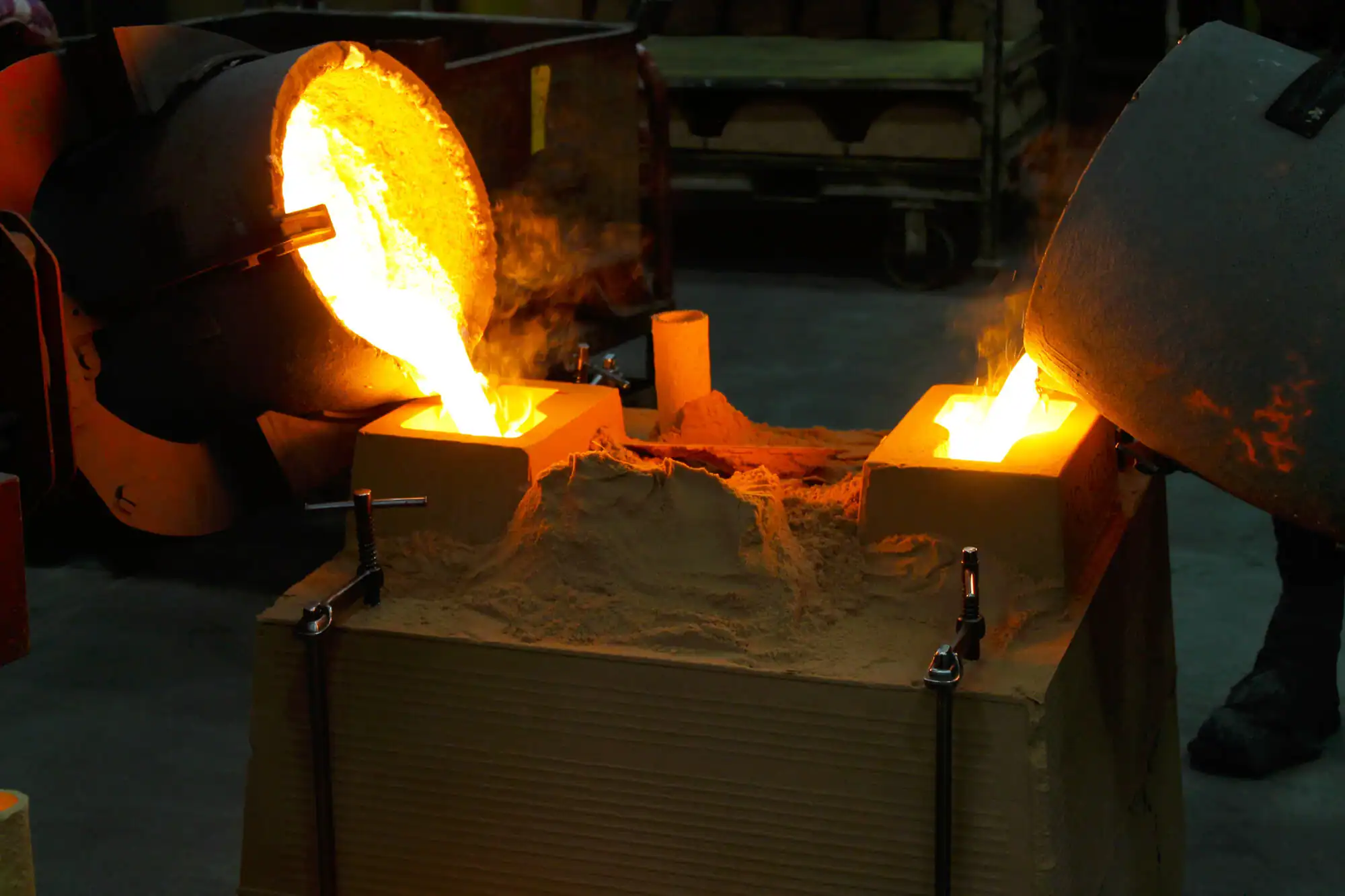
Furthermore, factories utilize different alloys, which can improve particular homes like strength and resistance to put on. The option of molding materials, such as sand, ceramic, or metal, is likewise crucial, as these identify the high quality of the cast surface area and dimensional precision. Lastly, coverings and ingredients are used to enhance casting efficiency, decrease flaws, and help with the separation of the cast item from the mold. Each product contributes to the effectiveness and effectiveness of the factory process.
Quality Assurance Actions in Foundry Procedures
Quality control measures in factory operations are vital for guaranteeing the honesty and performance of actors metal products. Numerous evaluation methods and established criteria play a vital function in determining prospective issues early in the production process. Furthermore, applying efficient issue avoidance strategies can significantly enhance product high quality and lower waste.
Evaluation Techniques and Specifications
Reliable evaluation methods and criteria are important for preserving the honesty of steel factory procedures. These approaches assure that products meet specified high quality specifications and adjust to industry policies. Typical assessment strategies consist of aesthetic evaluations, dimensional checks, and non-destructive screening (NDT) methods such as ultrasonic and radiographic testing. Each method serves to identify flaws or variances without endangering the product. Abiding by well established requirements, such as ISO 9001 and ASTM standards, assists standardize evaluation procedures and cultivates uniformity throughout operations. Furthermore, regular training of personnel on these criteria enhances the effectiveness of the inspection process. Ultimately, strenuous examination methods and compliance with standards are basic in supplying premium spreadings and ensuring client fulfillment in the factory industry.
Issue Avoidance Techniques
Maintaining high criteria of high quality in metal factory operations demands the implementation of robust issue avoidance strategies. These techniques concentrate on recognizing prospective sources of issues early in the manufacturing process. Secret procedures include rigorous material selection, exact control of melting and putting conditions, and adherence to standard operating procedures. Regular training of personnel assurances that workers are educated regarding ideal methods and the most recent modern technologies. Furthermore, using sophisticated simulation software program can predict prospective defects prior to they take place. Constant surveillance through in-process assessments and quality control checks enables prompt corrective activities, minimizing the likelihood of flaws getting to the final product. Inevitably, a click for more info proactive method to issue avoidance promotes dependability and boosts customer contentment in metal factory procedures.
Usual Difficulties Dealt With by Steel Foundries
Although metal factories play an important function in different sectors, they often experience considerable difficulties that can influence their procedures. One key concern is the variation in basic material prices, which can influence productivity and spending plan projections. Furthermore, factories frequently face labor shortages, as experienced workers are progressively challenging to discover and keep, bring about possible ability spaces in production procedures.
Ecological policies also pose obstacles; shops need to comply with stringent requirements, which may call for pricey financial investments in air pollution control modern technologies. Keeping premium standards is essential, as flaws in casting can lead to item remembers and reputational damages. Finally, the complexity of handling supply chains, especially throughout worldwide disruptions, can prevent timely production and shipment (Metal Foundry). Jointly, these difficulties demand calculated planning and flexible monitoring to guarantee the ongoing viability and success of metal shops in a competitive market
Technical Innovations in Metal Casting
As steel shops seek to improve performance and decrease expenses, technical advancements in metal casting have emerged as essential innovations. The combination of computer-aided style (CAD) and simulation software program has transformed the layout procedure, permitting accurate modeling of cast parts and the identification of potential problems prior to manufacturing begins. Improvements in 3D printing innovation make it possible for the rapid prototyping of cores and molds, greatly lowering lead times and product waste.
The fostering of automated systems and robotics in the casting procedure has enhanced consistency and efficiency, while likewise lessening human error. Additionally, advanced products, such as high-performance alloys, are being created to endure severe conditions, boosting the sturdiness of cast products. These technical developments not only simplify operations but also add to even more lasting methods within the sector, inevitably positioning steel shops to fulfill the advancing needs of their customers properly.
Future Patterns in the Metal Foundry Sector
With the continuous evolution of the steel factory sector, numerous future patterns are poised to improve its landscape significantly. Automation and robotics are anticipated to improve production performance, decreasing labor prices and increasing accuracy in casting processes. Furthermore, the adoption of sophisticated products, such as lightweight alloys and compounds, will deal with the expanding demand for lasting and high-performance components in numerous industries, consisting of automotive and aerospace.
In addition, the integration of digital innovations, such as the Internet of Things (IoT) and expert system (AI), will certainly promote real-time monitoring and anticipating upkeep, leading to enhanced functional effectiveness. The focus on sustainability will drive the advancement of eco-friendly practices, consisting of the recycling of scrap steel and the reduction of energy usage in shops. Workforce development will certainly come to be essential as the industry seeks competent labor to adjust to these technical innovations, making certain an affordable side in the worldwide market.
Regularly Asked Concerns
What Certifications Are Required for Steel Foundry Procedures?
Just How Do Factories Take Care Of Environmental Regulations?
Factories manage environmental regulations by carrying out complete compliance programs, conducting normal audits, making use of contamination control technologies, and training employees on ideal methods. They likewise preserve open communication with regulative firms to assure adherence to advancing ecological standards.
What Are the Regular Lead Times for Casting Production?
Regular lead times for spreading manufacturing variety from a couple of weeks to numerous months, relying on aspects such as intricacy, material requirements, and factory ability. Efficient planning and interaction can help in reducing these preparations considerably.
Exactly How Do Shops Handle Workforce Training and Safety And Security?
Foundries prioritize workforce training and safety and security via complete programs, normal workshops, and adherence to safety and security regulations. They execute hands-on training, mentorship, and constant analyses to guarantee employees are well-prepared for safe operational methods in tough environments.
What Is the Influence of International Supply Chain Issues on Foundries?
Global supply chain problems substantially affect factories by creating material lacks, boosting prices, and delaying production timelines. These interruptions force shops to adapt their sourcing methods and boost inventory management to preserve operational efficiency.
Metal foundries play an important role in the manufacturing sector, particularly in sectors such as auto and aerospace. Steel factories serve as a crucial backbone in the manufacturing market, changing raw products right special info into important parts. Steel casting processes play a vital function in the factory industry, with various approaches customized to certain needs. Steel shops play a crucial function in different industries, they often run into substantial difficulties that can impact their procedures. As steel foundries seek to boost effectiveness and minimize expenses, technological innovations in metal spreading have actually emerged as essential developments.